Frequently asked
Questions business owners actually ask before choosing between Regus and a downtown Greensboro office
These are the questions that usually shape the decision: privacy, flexibility, price logic, downtown presence, and whether the office should function like a search result, service product, coworking option, or feel like part of the business itself.
What is the biggest real-world difference between Regus and 101 Elm?
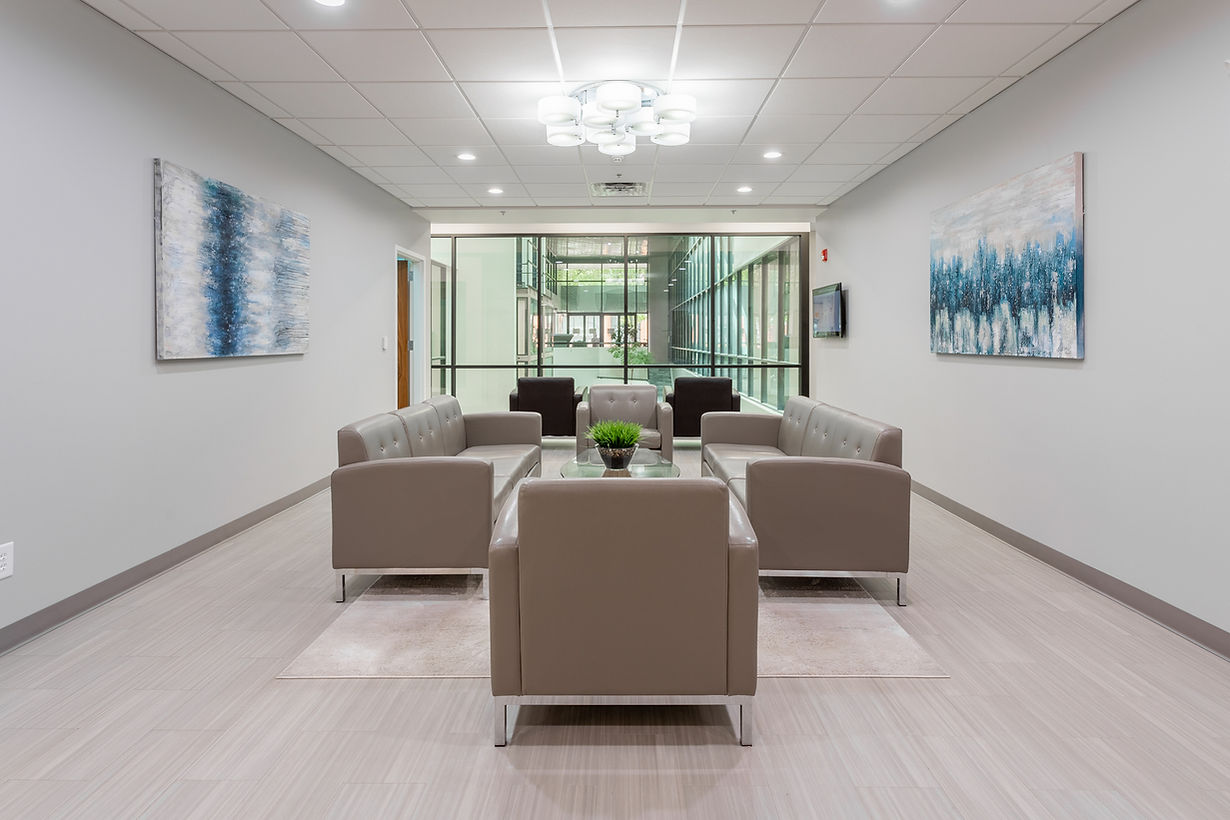
The biggest difference is the office model. Regus is selling a serviced workspace platform built around speed, flexibility, and multiple formats. 101 Elm is selling a specific downtown Greensboro office property with private suites, larger offices, meeting space, daily office rental, and virtual office options.
Is Regus a traditional office lease?
Not in the usual commercial-leasing sense. Regus says its agreements are workspace service contracts rather than rental agreements, leases, or tenancies. That distinction matters for businesses comparing flexibility with a more traditional local office relationship.
When is Regus usually the smarter choice?
Regus is usually the smarter choice when the business wants temporary private offices, coworking, answering service, and fully serviced workspace without committing to one long-term office identity.
When does 101 Elm usually become the better fit?
101 Elm usually becomes the better fit when the office needs to support privacy, client impression, a stronger Greensboro presence, and a more established day-to-day operating base. It is often the better answer when the office is part of the brand, not just a place to plug in.
How should a business compare price fairly between these two options?
Do not compare only the entry price. Compare what is actually being purchased: office type, privacy, contract structure, daily office rental, package acceptance, call answering needs, location identity, and how the space will feel to clients and staff. A Greensboro-only business may also find 101 Elm more cost-effective because it is not paying for access to locations worldwide that it may never use.
Does a prime Greensboro location really change the decision?
Yes, for many businesses it does. A prime Greensboro address can affect client confidence, recruiting, convenience for meetings, courthouse access, and how established the company feels. That is one reason 101 Elm can outperform a generic flex-space answer for client-facing or credibility-sensitive teams.
What service differences should a business ask about?
Regus can be attractive when call answering is important. NCR does not position 101 Elm around call answering, but 101 Elm does emphasize practical building support such as package acceptance, the ability to sign for packages on a company’s behalf, on-site leasing support, and consistent property-management personnel.
Does 101 Elm offer building signage or nearby business conveniences?
NCR says 101 Elm can offer exterior building signage in a prime downtown location. The building is also positioned near more than a dozen restaurants and a short two-block distance from the courthouse, which can matter for client-facing and professional-service businesses.
Can 101 Elm still work for a business that wants some flexibility?
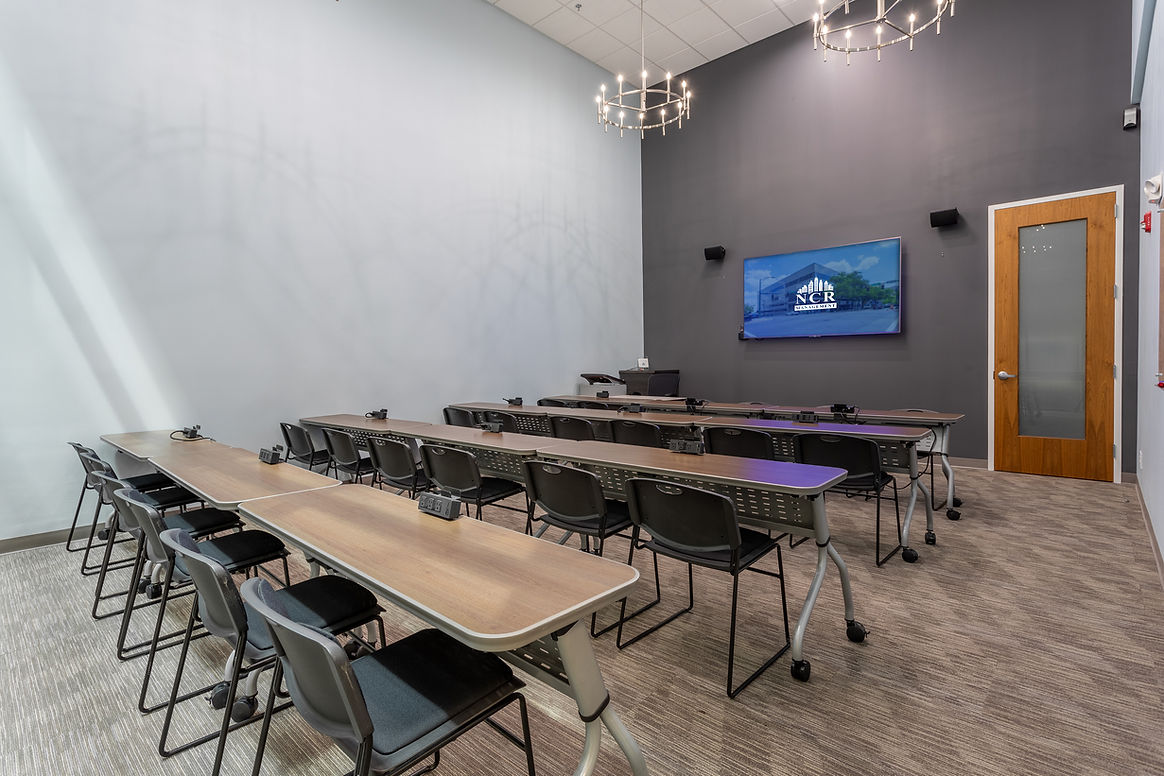
Yes. 101 Elm says it offers several flexible-use options, including daily office rental, meeting space rental, virtual office space, and smaller suites starting at $499 per month. NCR also offers simple suite-upgrade options when businesses need more room, even mid-lease. That means the decision is not simply flexible versus inflexible. It is more about what kind of office identity and operating model the business wants.
Is a virtual office enough, or should a business rent a physical office?
A virtual office may be enough when the main need is mail handling, package acceptance, address presence, or occasional meeting access. A physical office usually makes more sense when privacy, routine team use, client meetings, storage, or day-to-day professionalism are important to how the business operates.
What should a business tour or verify before deciding?
Before deciding, verify how the office feels on arrival, how private the space really is, what support services are included, how daily office rental and meeting space work, how parking and access function, whether exterior signage is available, and whether the office environment matches the way you want clients, recruits, and staff to experience the business.
Why does staying in one building matter as a company grows?
Moving a business address over and over can create friction for clients, vendors, staff, mail, search visibility, and the company’s overall sense of stability. One advantage of 101 Elm is that a business has the ability to start smaller and grow into a larger office presence within the same building, instead of constantly starting over somewhere else.
Can the office environment affect business momentum?
Yes. For many business owners, being around other professionals matters. A building with like-minded companies, client-facing businesses, and people who believe in building something can create a different kind of energy than a purely transactional workspace. The right office can help a company feel connected, credible, and motivated.